
BMIC: Quantum-Secure Blockchain for Future-Proof Wallets

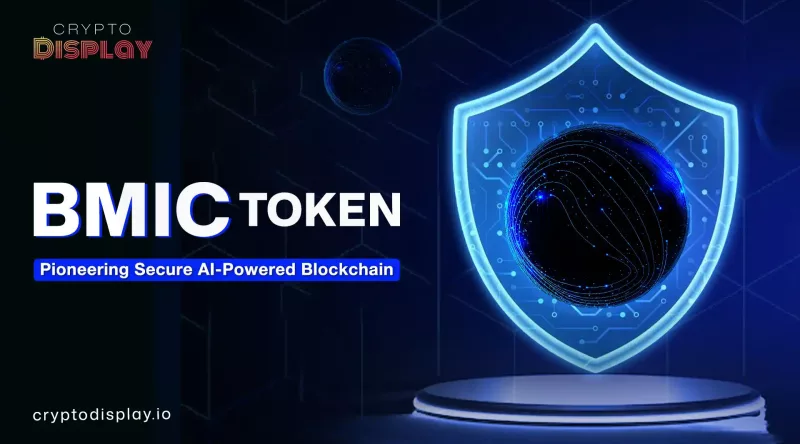
How BMIC Is Protecting Your Wallet from Future Quantum Attacks
Every wallet you use today - MetaMask, Trust Wallet, Ledger - relies on a security system that regular computers cannot crack. That is why your money feels safe right now.
But quantum computers work differently. They are growing more powerful every year. And when they reach full strength, today's wallet security could be broken in minutes - not years.
That is the exact problem it is solving. Not tomorrow. Right now.
What Is BMIC?
BMIC stands for Blockchain Micro-Ion Compute. It is a quantum-secure blockchain ecosystem built on Ethereum. The project is building three things together - a quantum-resistant vault, a crypto credit card, and a staking platform- all powered by one token.
The team behind the project is not waiting for quantum computers to become a threat. They are building the security layer the industry will need before that moment arrives.
It has already been featured in The Defiant, U.Today, Finbold, NewsBTC, 99Bitcoins, and Bitcoinist. It is backed by VC and OTC investment- which is rare for a project still in presale.
Readers who want a deeper breakdown of the ecosystem, token model, and presale structure can explore this BMIC presale review for a more detailed analysis.
The Problem BMIC Is Fixing
Three problems sit at the heart of why BMIC exists:
Quantum Threat to Wallets- Today's cryptography will eventually break under quantum computing attacks. Experts call this "harvest-now, decrypt-later"- where data is collected today and cracked once the technology catches up. Every account in the market right now is vulnerable to this.
Quantum Access Is Locked Away- Right now, quantum computing is controlled by a few giant tech companies. Most developers and businesses cannot afford to use it. BMIC wants to make it open and accessible for everyone.
AI Needs More Power - The next wave of AI development needs computing resources that regular machines simply cannot provide. Without quantum access, AI will hit a ceiling it cannot break through.
How BMIC Works - Made Simple
It is built in four layers. Each one does a different job:
Layer 1- Quantum Security - The wallet layer. It uses NIST-approved post-quantum cryptographic algorithms to protect your assets even against future quantum attacks. Public keys are hidden. Signatures are hybrid- meaning they use both old and new security methods at the same time.
Layer 2-Quantum Hardware- Instead of building expensive hardware from scratch, it connects to existing quantum providers and creates a shared Quantum Meta-Cloud. This makes quantum computing affordable for developers and businesses.
Layer 3 - Blockchain Access- This is where the token plugs in. Use it to pay for services, stake for rewards, vote on decisions, or burn it to create Compute Credits that power real quantum workloads.
Layer 4- AI Orchestration- An AI system manages how tasks are distributed across the network. It improves speed, cuts delays, and detects security threats before they cause damage.
BMIC Wallet vs. Other Popular Wallets
|
Feature |
BMIC Wallet |
Trust Wallet |
MetaMask |
SafePal |
Ledger |
|
Quantum-Resistant Architecture |
Yes |
No |
No |
No |
No |
|
Hidden Public Keys |
Yes |
No |
No |
No |
No |
|
PQC Verification Layer |
Yes |
No |
No |
No |
No |
|
AI Threat Detection |
Yes |
No |
No |
No |
No |
|
Credit Card Built In |
Yes |
No |
No |
Partial |
No |
No other wallet on the market today combines all of these features. That gap is exactly what it is filling.
What Is the BMICToken Used For?
The token is not just a presale asset. It has five real jobs inside the ecosystem:
- Pay for Services- Use it to access wallet features and enterprise security APIs
- Staking - Stake tokens to help secure the network and earn rewards
- Governance- Vote on protocol upgrades and future development decisions
- Burn-to-Compute - Burn tokens to mint Compute Credits for quantum workloads
- Deflationary Burns- A fixed share of company revenue buys back and permanently removes tokens - shrinking supply over time
Tokenomics- Where the Tokens Go
|
Allocation |
Percentage |
|
Presale |
50% |
|
Rewards and Staking |
12% |
|
Liquidity and Exchanges |
10% |
|
Private Sale |
10% |
|
Ecosystem Reserve |
9% |
|
Marketing |
6% |
|
Team |
3% |
|
Total Fixed Supply |
1.5 Billion |
Two things stand out here. The team only holds 3%- one of the lowest allocations we have seen in any presale project. That means the founding team cannot dump large amounts of tokens at launch and walk away. The total supply is also fixed at 1.5 billion - no new tokens can ever be created. That rules out inflation eating away at your holdings over time.
Presale Details - Everything in One Place
|
Detail |
Information |
|
Token Name |
BMIC |
|
Blockchain |
Ethereum (ERC-20) |
|
Total Supply |
1,500,000,000 BMIC (Fixed) |
|
Presale Share |
50% of total supply |
|
Smart Contract Audit |
Completed - report public at bmic.ai |
|
Payments Accepted |
ETH and ERC-20 tokens |
|
Official Website |

The smart contract audit is complete and available publicly. No critical problems were found. The code follows industry security standards throughout - which is a basic requirement any serious project should meet before asking people to send money.
Many investors closely track latest crypto presales because early-stage blockchain projects sometimes provide entry before tokens reach major exchanges.
The Roadmap -Key Milestones Ahead
Phase 1 - Now (Q4 2025 to Q1 2026): Core wallet development, PQC algorithm integration, smart contract deployment on Ethereum, and a Top 10 CEX listing announcement.
Phase 2 - Q2 to Q3 2026: Wallet Alpha launches, institutional pilot programme begins, enterprise security APIs go live and the first token burn event happens.
Phase 3- Q4 2026 to Q1 2027: Full public wallet beta, governance voting starts, deflationary buyback burns activate, compliance tools for fintech and healthcare roll out.
Phase 4 -2027: Quantum Meta-Cloud goes live, burn-to-compute model activates, enterprise adoption scales up globally.
Phase 5- 2028: Full mainnet launch, DAO governance transitions in, and global rollout across finance, healthcare, insurance, and supply chain industries.
The Bottom Line
This project is addressing a risk that almost nobody in crypto is talking about yet - but that every security expert knows is coming. Quantum computers will eventually break the security systems protecting today's wallets. The only question is when.
It is building the answer right now. A working four-layer architecture. A publicly audited smart contract. VC and OTC backing. A 3% team allocation that cannot be dumped. A fixed supply with deflationary burns built in. And a 50% presale allocation that puts the majority stake in the hands of public buyers.
If quantum computing is the next major narrative in crypto - and many serious analysts believe it will be - It is positioned at the very centre of it.
Visit bmic.ai to read the full whitepaper and check the audit report yourself before making any decision.
Disclaimer
This article is for educational purposes only. Not financial advice. Always do your own research before making any investment decision.
7 months ago
why it doesn't it's own blockchain own token. talking it's on Ethereum do you find this safe? & logic?

Frequently Asked Questions
 Explore Our FAQs
Find quick answers to commonly asked questions and understand how things work around here.