
Digitap’s Emerging Role in the Expanding Web3 DeFi Ecosystem

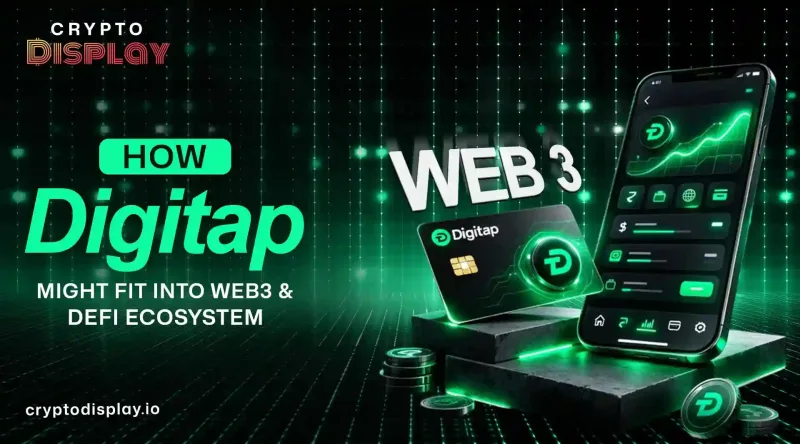
Why Web3 and DeFi Are Reshaping the Future of Digital Finance Systems
Web3 is growing fast. DeFi is also expanding across many countries. New tools are trying to connect old systems with blockchain networks. This is where Digitap may find a place.
If Digitap plans to work inside the it ecosystem, it must solve real problems. It must help users move between traditional and blockchain safely. It must follow rules. And it must build trust step by step.
This article explains how Digitap might fit into it . If you want a deeper look at its funding stage and token structure, you can explore our detailed Digitap presale analysis to understand how the project is positioning itself in the market It does not give investment advice. It investments are risky. Always do your own research
Understanding Web3 and DeFi
Before we talk about Digitap, let us know the basics.
What is Web3?
It is the next stage of the internet. It uses blockchain technology. Users control their information. No single company owns the system.
Popular blockchains used in it include:
- Ethereum
- Solana
- Polygon
These networks allow smart contracts. Smart contracts are small programs that run automatically.
What is DeFi?
DeFi means decentralized finance. It allows people to lend, borrow, trade, and earn without banks.
Some major DeFi platforms include:
- Uniswap
- Aave
- MakerDAO
For readers who want to understand where decentralized finance may be heading next, you can check out our guide on the best DeFi tokens to watch in 2026 that focuses on real utility and long-term use.
According to public blockchain research reports from 2024 and 2025, DeFi total value locked (TVL) has crossed tens of billions of dollars globally. This shows steady user interest. However, the market remains volatile.
Digitap's Pure Web3 Identity Solutions
|
Feature |
Digitap (Hybrid Model) |
Pure Web3 Identity Tool |
|
Data Type |
Bank & financial records |
On-chain wallet history |
|
KYC Depth |
Strong identity checks |
Self-sovereign ID models |
|
Regulatory Alignment |
High focus |
Depends on jurisdiction |
|
Decentralization Level |
Partial |
High |
|
Enterprise Use Case |
Strong |
Limited in some regions |
|
Adoption Speed |
Slower but stable |
Faster but experimental |
Where Digitap Could Add Value
If it works in identity, financial information, and compliance tools, it may support Web-3 growth in key areas.
Here are possible roles Digitap may play.
1. Digital Identity for DeFi Users
One major issue in decentralized finance is identity. Most users connect wallets without proving who they are. This keeps privacy strong. But it also creates risk like fraud and money laundering.
If Digitap made a secure identity verification tool, it could help:
- Crypto exchanges verify users.
- Decentralized finance apps reduce fake accounts.
- Lending platforms assess borrower risk.
This can create a balance between privacy and compliance. In many countries, regulators now expect Know Your Customer (KYC) checks. A solution that connects blockchain wallets with verified individuals may help projects stay within legal boundaries.
2. Data Infrastructure for Web3 Apps
Apps need data.
For example:
- Credit scoring for decentralized finance lending.
- Income proof for crypto loans.
- Risk profiling for on-chain borrowing.
If Digit provides secure financial data APIs, it could bridge traditional data systems with blockchain smart contracts. This is important because decentralized finance lending still lacks real-world credit information. Many loans require over-collateralization. That means users must deposit more value than they borrow. If trusted data feeds are added, lending models could improve in the future. However, this must be handled carefully to avoid privacy misuse.
3. Compliance Layer for Crypto Platforms
Regulation around crypto is evolving. In India, the government introduced tax rules on virtual digital assets. Globally, regulators are increasing monitoring. The European Union introduced MiCA regulations. The United States continues to review crypto through agencies like the SEC.
A company like the Securities and Exchange Commission plays a strong role in enforcement.
If Digitap builds compliance support tools, it may help:
- Crypto exchanges follow KYC norms.
- Wallet providers reduce illegal activity.
- Decentralized finance platforms monitor suspicious behavior.
- But it can make systems safer for long-term growth.
4. On-Chain and Off-Chain Connection
One key challenge in Web3 is linking off-chain data to on-chain systems.
For example:
- A decentralized finance platform may want to check a user’s bank history.
- A lending protocol may want verified employment data.
- A crypto app may need fraud detection signals.
If it provides secure off-chain verification, it could act as a bridge.
This hybrid model is becoming more common. Many experts believe the future of may combine both systems rather than replace one fully.
5. Supporting Real-World Asset Tokenization
Real-world asset (RWA) tokenization is growing.
This includes:
- Tokenized bonds
- Digital gold
- Tokenized real estate
Blockchains like Ethereum are often used for such assets. For RWA to work proper, identity verification and financial confirmation are important. If Digitap works in this field, it could support background verification and secure onboarding. However, this area also requires strong regulatory clarity.
Market Trends Supporting This Direction
Some broader trends show why such integration may matter:
- Global crypto users crossed hundreds of millions. Much of this growth is linked to emerging Web3 crypto ecosystems that are building new digital services beyond simple token trading. based on public blockchain research platforms
- Stablecoin usage increase in emerging markets.
- Decentralized finance lending remains active, though smaller than the 2021 peak.
- Authorities are working on central bank digital currencies (CBDCs).
At the same time
- Hacks and exploits still occur.
- Smart contract bugs cause losses.
- Regulatory crackdowns happen in some region.
This mixed environment shows that infrastructure and compliance tool may become more important over time.
Risks and Limitations
It is important to stay realistic.
Digitap may face several challenges.
- Regulatory uncertainty- Rules change often in crypto market.
- User privacy concerns- Too much data sharing can lower trust.
- Competition- Many blockchain analytics and identity startups already exist.
- Market volatility- Crypto adoption depends on market cycles.
Web3 growth is not guaranteed. Decentralized finance volumes rise and fall. Any integration plan must consider this risk.
How Digitap Should Approach it Carefully
If entering this space, the approach must be slow and structured.
Recommended focus areas:
- Start with compliance-friendly cooperation.
- Work with regulated exchanges first.
- Avoid speculative token launches without utility.
- Maintain clear record.
- Conduct security audit
Trust takes time. In financial sectors, credibility matters more than speed.
Digitap vs Typical DeFi Protocol
|
Feature |
Digitap (Possible Role) |
Typical DeFi Protocol |
|
Main Focus |
Identity & financial data layer |
Lending, trading, staking |
|
Data Source |
Off-chain financial systems |
On-chain wallet activity |
|
Compliance Support |
Yes, likely KYC-based |
Often limited or optional |
|
Risk Control |
Background verification tools |
Smart contract rules |
|
User Privacy |
Structured identity checks |
Pseudonymous wallets |
|
Revenue Model |
API / service-based |
Protocol fees |
If you are unfamiliar with early-stage token launches, our complete crypto presale guide explains how these models work and what risks investors should understand.
Conclusion
Digitap might fit into the Web3 and DeFi groups by acting as a bridge. It could help connect traditional financial data with blockchain platforms. It could support security and identity checks. It may enhance the lending system. It can solve real-world asset issues. However, success depends on execution, transparency, and regulatory alignment. Web3 is still evolving. Decentralized finance remains exploratory in many ways. Any company entering this industry must move carefully, based on user trust, and avoid unrealistic claims.
Disclaimer
Cryptocurrency involve high risk. Prices are volatile. Regulations may change. This article is for educational purposes only. It is not financial advice. Alway do your own research



Frequently Asked Questions
 Explore Our FAQs
Find quick answers to commonly asked questions and understand how things work around here.