
Top 5 GameFi Presales: Early-Stage Blockchain Games to Watch

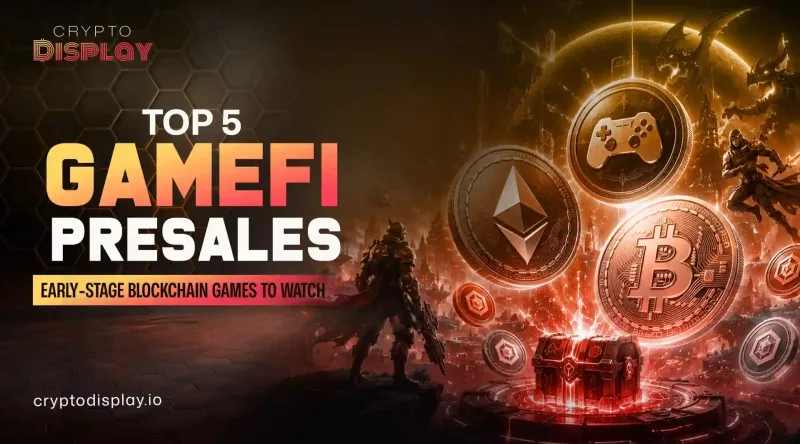
Top 5 GameFi Presales: Early-Stage Blockchain Games to Watch in 2026
Crypto gaming is moving fast. Lots of people call it GameFi. This just means mixing regular video games with blockchain technology. Right now, a few brand new projects are trying to get cash together before they launch their tokens. This early stage is what people call a presale. It gives folks a look at the core ideas before the tokens ever hit the open market. Top 5 GameFi Presales names coming up lately are SolSlay, Pixens, Doubl, Hoodinals, and HOPEUM. Each one tries a totally different spin on gaming. Some focus on fast networks, while others look at digital collectibles or online betting setups. Let's take a simple, straight look at what these projects actually do.
1. SolSlay
SolSlay is a brand new project built on the Solana network. Solana is known for speed, but it often gets stuck when too many people trade meme tokens or buy digital images at the exact same time. This project works as a Layer-2 setup. It tries to fix the lag by running transactions on a separate side path before passing them back to the main Solana chain. The focus here is to make gaming and trading smoother for players who hate waiting on frozen transactions. People looking for more details about the SolSlay token presale can explore how the project plans to improve gaming speed and play rewards on Solana.
- Layer-2 Scaling Framework- It aggregates batched small transactions into blocks outside the main network This ensures that the primary chain stays clear so games do not lag out during peak periods.
- Lower Fees for Micro-Transactions- The only transaction that costs you money is at the end of moving data in big jugs, thus it costs way less to move assets or buy-game elements over the L2 instead of on the main Net doing directly.
- Staking Integration- The token allows holders to stake their asset through the early stages for rewards. This helps keep the network up until the exchange actually goes live
2. Pixens
Pixens is a casual, web-based farming and life sim game running on the Ronin network. The game lets people look after virtual plots of land, grow crops, and craft items at a slow, chill pace. It feels a lot like classic cozy games where you spend time building up a digital farm from scratch. The project focuses on letting players truly own their progress through digital items without forcing them to buy tokens just to play the core game loops. Readers who want a closer look at the Pixens farming game can explore its virtual land system, NFT avatars, and presale structure.
- Shared Virtual World- Players can explore floating islands, visit small towns, and work on community farms together or trade stuff with neighbors.
- NFT Land and Avatars- The game lets users connect their existing digital profile pictures to use as avatars. It also features tradable land plots that give owners a share of resources grown right there.
- Dual Token Economy System- It uses a primary utility token with a fixed total supply to handle special upgrades, guild features, and cosmetic items, while keeping normal gameplay completely free.
3. Doubl
Doubl is an open-source protocol built exactly to handle the rental market for digital game assets. In plenty of blockchain games, buying a strong character or a rare item costs way too much money for everyday players. This project sets up a system where owners can rent out their items to other players for a set time. Anyone interested in blockchain item rentals can check out the Doubl asset rental protocol and how it handles trust-free gaming loans. It tries to solve the trust issue between strangers by using standard rules that automate the rental process without needing massive down payments.
- Collateral-Free Asset Renting- Players can rent in-game items and weapons safely without needing to lock up a big pile of extra money as security.
- Standardized Smart Contracts- It uses specific Ethereum token rules to make sure rented items automatically fly back to the original owner once the time runs out.
- Guild Management Features- The platform helps gaming groups coordinate their asset pools, making it easier to hand out gear to active players who do not own it yet.
4. Hoodinals
Hoodinals is an early-stage project exploring digital collectibles and gaming elements using unique inscription protocols. Instead of running on typical smart contract networks, it focuses on embedding data straight into blockchain transactions to create permanent, unchangeable game items. The project is built for collectors who care about historical data storage and simple, retro-style gaming setups that do not rely on complex external servers. People exploring retro blockchain collectibles can also discover the Hoodinals gaming collectibles ecosystem and its Ethereum-based inscription system.
- On-Chain Data Inscriptions- Every single character and item has its data saved directly into the ledger blocks. This means the art and stats cannot be changed or wiped out by developers later.
- Community Distribution Focus- The presale and early stages focus on spreading tokens wide among small holders rather than giving massive chunks to big corporate funds.
- Retro Gaming Assets- The items are designed to work inside basic, community-built arcade games where players can test their characters against one another.
5. HOPEUM
HOPEUM is a decentralized ecosystem that mixes simple entertainment games with financial tools and digital raffles. It runs on the Solana blockchain to keep things moving fast. The project focuses on light, arcade-style games like coin flips, dice rolls, and weekly tournaments where players can jump in straight from their personal wallets. It tries to clean up the user experience so people do not have to fill out long, complicated forms just to play a quick round. Users wanting to explore the full HOPEUM gaming ecosystem can visit the platform to check its wallet-based games and raffle system.
- Direct Wallet Interaction- The games run straight out of decentralized wallets, meaning the platform never holds your funds in a centralized account while you play.
- Points and Airdrop System- Early users can earn points by finishing daily tasks and staking stable digital coins, which ties right into their upcoming token distribution.
- NFT-Powered Raffle Perks- The platform includes digital collectible tickets that give holders special entries into weekly prize drawings and game tournaments.
Readers can also follow the HOPEUM Official Account for future announcements, tournaments, and token updates.
Conclusion
Top 5 GameFi Presales preview SolSlay, Pixens, Doubl, HOODINALS, and HOPEUM, each offering a variety of approaches to blockchain gaming. Together, using exclusive technologies like Solana Layer-2 scaling, the non-serious Ronin environment, collateral-free rentals, eternal on-chain inscriptions, and wallet-direct arcade solutions, they are addressing some of the biggest issues in the industry: high fees, slowness, and entry barriers for players. Ultimately, they provide players and collectors with two completely distinct lenses in which to view the evolving crypto gaming landscape before tokens go live.
Frequently Asked Questions
 Explore Our FAQs
Find quick answers to commonly asked questions and understand how things work around here.