
Coinbase CEO Withdraws Support for Senate Crypto Bill

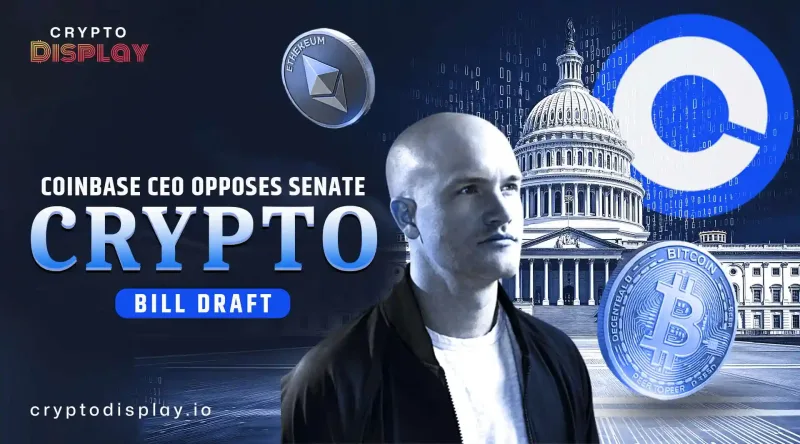
Brian Armstrong CEO Flags Risks in Senate Banking Crypto Draft
Coinbase CEO Brian Armstrong has said the for company cannot support the current version of a major U.S. crypto market structure bill. His comments came after reviewing the draft released by the Senate Banking Committee, which is working on rules meant to guide the future of digital assets in the country.
In a public post, Armstrong said the, as written, would create more harm than clarity. He added that Coinbase CEO would rather see no invoice at all than one that weakens innovation and limits fair competition.

Source: X Account
Why Coinbase and it's CEO Stepped Back
Armstrong listed several issues that led to the Coinbase CEO withdrawing its support. He says the draft includes measures that could change how products work in the U.S. and reduce user choice.
Key concerns raised include:
- A de facto ban on tokenized equities, which could block new ways to trade assets on-chain
- Limits on DeFi activity, including strict rules that may give the government broad access to user data
- Reduced authority the CFTC, which Armstrong said could slow innovation
- Stablecoin reward changes that may favor senate banks and hurt many firms
According to Armstrong, these points make the bill worse than the current regulatory setup, even though that system is often seen as unclear.
What the Bill Is Trying to Do
The Senate Banking Committee bill is designed to set clear lines between the Securities and Exchange Commission and the Commodity Futures Trading Commission. Lawmakers say the goal is to reduce confusion and give crypto firms a clear path to follow.
The draft covers several areas, including:
- Oversight of assets and tokens
- Stablecoin and reserve standards
- DeFi compliance, including AML and KYC measures
- Clear roles the SEC and CFTC
Supporters of the invoice say these steps are needed to protect users and bring order to the market. Critics argue that the rules move too fast and may block open blockchain systems.
Growing Pushback From the Industry
Coinbase is not the only group raising concerns. Several organizations have asked lawmakers to slow down and revise the draft.
The Digital Chamber, which represents many firms, has said it still supports the goal of clear rules but wants changes before any vote. Industry leaders say rushed laws could send innovation overseas.
At the same time, traditional finance groups, including the American senate Bankers Association, are closely watching the invoice. Critics say some amendments may give senate banks an edge over companies, especially in the stablecoin space.
Vote Delay Adds More Uncertainty
It was expected to move forward with a markup vote on January 15. However, that vote was canceled after lawmakers failed to agree on key parts of the text.
More than 75 amendments have already been proposed, showing how divided opinions remain. The delay means the U.S. crypto industry will continue operating under unclear rules now.
many firms, this pause highlights the challenge of balancing safety, privacy, and innovation in a fast-moving sector.
What This Means for Crypto Markets
The setback shows how hard it is to pass laws that satisfy both regulators and builders. While many agree that rules are needed, the details matter.
Important points for readers to note:
- Regulatory clarity is still delayed
- Major firms want changes, not rejection of regulation
- DeFi and stablecoins remain key pressure points
- Future drafts may look very different from the current one
As debates continue, market participants are watching closely to see whether lawmakers can find middle ground.
Looking Ahead
CEO Brian said Coinbase remains open to working with lawmakers on a better draft. He stressed that crypto should compete on equal terms with banks and other financial bill services.
For now, the canceled vote and strong industry response show that U.S. regulation is still a work in progress. Any final bill will likely need broader support before it can move forward.
Disclaimer
This article is informational purposes only and does not constitute legal, financial, or investment advice. Regulatory developments may change, and readers should review official sources or consult qualified professionals before making decisions related to digital assets.