
GameFi vs Traditional Gaming: How Gaming Is Evolving Now

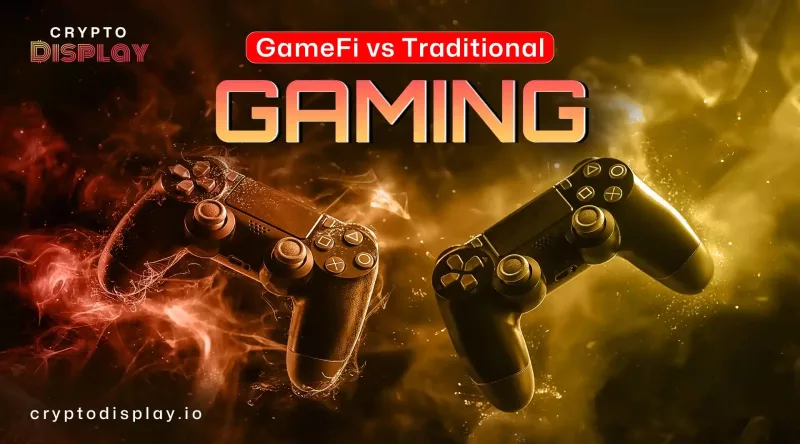
GameFi vs Traditional Gaming: Which One Is Better for Players?
Gaming has come a long way.
From playing on old consoles in the living room to logging into massive online worlds with millions of players - the way we game has changed completely. But now, something even bigger is happening.
GameFi vs traditional gaming is the conversation every gamer, investor, and tech enthusiast is having in 2026. And if you play games, own crypto, or simply want to understand where things are heading - this guide is for you. Let us break it all down. You can also explore crypto-gaming presales to see how this space is growing right now.
What Is Traditional Gaming?
It is what most of us grew up with.
You buy a game. You play it. You gather things, level up your characters, unlock new levels, and have fun. FIFA, Fortnite, Call of Duty, and Minecraft are all games that fit into this group.
The fun is real. The time you invest is real. But here is the catch - everything you earn inside the game stays inside the game. The rare skin you bought. The weapon you spent weeks unlocking. The character you built from scratch.
None of it truly belongs to you. The gaming company owns it all. If they shut the servers down tomorrow, everything disappears overnight.
What Is GameFi?
GameFi is a new kind of gameplay that combines video games with genuine money and blockchain technology.
The word itself comes from two ideas smashed together - Game and Finance. In GameFi, the items you collect inside a game are stored on a blockchain as NFTs - digital assets that you actually own. You can sell them, trade them, or hold them like any other valuable item.
On top of that many GameFi games pay you in cryptocurrency just for playing. This is called the play-to-earn model. The time you spend gameplay can turn into genuine income.
That is something standard playing has never offered.
If you want a deeper breakdown, you can read what GameFi is and how play-to-earn games work
GameFi vs Traditional Gaming - The Key Differences
Here is a simple side-by-side look at how both models compare across the things that matter most to players:
|
Feature |
Regular gameplay |
GameFi |
|
Who owns your items? |
The game company |
You do - stored on blockchain |
|
Can you earn genuine money? |
No |
Yes - play-to-earn model |
|
What happens if game closes? |
Everything is lost |
Your items stay in your wallet |
|
Can items move between games? |
Never |
Possible with interoperability |
|
Is there a real economy? |
No |
Yes- with supply and demand |
|
Do you need crypto to play? |
No |
Sometimes yes |
|
How easy is it to start? |
Very easy |
Requires some crypto knowledge |
|
Risk involved? |
Low financial risk |
Higher financial risk |
This table makes the GameFi vs traditional gaming gap very clear. One model keeps players as consumers. The other turns players into actual owners.
Ownership -The Biggest Difference of All
In regular gameplay, spending money does not mean owning anything.
You might spend hundreds of dollars on in-game items over the years. Rare outfits. Special weapons. Exclusive bundles. But the moment the game company changes its policies or shuts down- all of that is gone.
In the GameFi vs traditional gaming debate, this is the point that matters most. GameeFi flips the ownership model completely. Your item is minted as an NFT on the blockchain. A permanent public record shows it belongs to you. Nobody can delete it. Nobody can take it away.
Even if the game closes tomorrow, your digital asset lives on in your personal wallet - forever.
To understand this better, you can explore how NFTs in GameFi are changing gameplay and ownership.
Earning Real Money - Can Gaming Actually Pay You?
This is where GameFi vs traditional gaming gets genuinely exciting.
In regular gameplay, the only people making money are the companies selling the games and the professional streamers with millions of followers. Regular players put in time and money but take nothing financial out.
Game-Fi changes that entirely.
Games like Axie Infinity showed the world what was possible. Players in countries like the Philippines were earning more from playing a blockchain game than from their regular full-time jobs. They collected, trained, and sold NFT creatures - and got paid in real cryptocurrency.
you can check top GameFi presales to watch and see which projects are gaining attention.
The Social Side - Communities and Connection
Both models build communities – but in very different ways.
Regular gameplay communities form around shared love of a game. Guilds, fan pages, streaming channels. The connection is true, but nobody owns anything together.
In GameFi, community members often share actual financial stakes in the game's ecosystem. When a rare NFT goes up in value, the whole community benefits. When the token grows, holders grow with it.
That shared ownership creates a deeper kind of belonging. Players become investors. Fans become stakeholders.
The Honest Downsides of GameFi
The GameFi vs traditional gaming conversation would not be complete without being honest about the risks.
GameFi is not perfect. Not even close.
It can be complicated. Setting up a crypto wallet, buying tokens, and understanding blockchain takes time. Classic playing is plug-and-play. GameFi has a learning curve.
Values can drop fast. The items and tokens you earn in GameFi have actual market value- which means they can also lose that value quickly. Some players have lost significant money when GameFi projects collapsed.
Not all games are fun. Early Game-Fi titles sometimes felt more like financial tools than actual games. The fun was secondary to the earning. That is slowly improving, but it is still a valid criticism.
Scams exist. Fake Game-Fi projects have taken money from players who did not do enough research. Always verify any project before putting money in.
Traditional Gaming vs GameFi - Who Wins?
Honestly? It depends on what you are looking for.
If you want simple, stress-free fun with no financial risk - regular game-play is still the better choice right now. The games are more polished. The experience is smoother. And you do not need to understand cryptocurrency to enjoy them.
But if you want ownership of what you build, the chance to earn real income while playing, and a stake in a growing digital economy – GameFi offers something regular gameplay simply cannot.
The GameFi vs traditional gaming question does not have one right answer. It has two different answers for two different kinds of players.
What Does the Future Look Like?
The line between both worlds is getting blurry.
Major standard gameplay studios – including names like Square Enix, Ubisoft, and EA - have all explored blockchain and NFT features. They are watching what Game-Fi is building very closely.
As blockchain technology gets cheaper and easier to use, and as GameFi game become more genuinely fun to play, the gap between the two models will continue to shrink.
The future of games probably looks like a blend of both - the polished experience of regular games combined with the real ownership and earning power of GameFi.
In the GameFi vs traditional gameplay battle, the real winner might end up being the player-the person who finally gets to own, earn, and truly benefit from the time they put in.
Quick Summary
|
What You Want |
Best Choice |
|
Simple fun, no financial risk |
Regular gameplay |
|
Real ownership of items |
GameFi |
|
Earning money while playing |
GameFi |
|
Easy setup, no crypto needed |
regular game |
|
Building long-term digital assets |
GameFi |
|
Stress-free casual experience |
Regular game |
Final Thought
Playing games has always been about more than just entertainment. It is about building something. Achieving something. Belonging to something.
Regular gameplay gave us incredible worlds to explore. It is now giving us something to actually own inside those worlds.
The GameFi vs traditional gaming debate is not about which one is right or wrong. It is about understanding the shift that is happening - and deciding where you want to stand when the dust settles.
One thing is certain. The rules of games have changed. Players now have more power than ever before. And that is something worth paying attention to.
Bottom line: In the GameFi vs traditional gaming comparison, it gives players real ownership and real earning power. Traditional gameplay gives players simplicity and fun. The best future combines both- and it is closer than most people think.
Disclaimer: This blog is for educational purposes only. It is not financial advice. These investments carry real risk. Always do your own research before spending money on any crypto or blockchain game.
Frequently Asked Questions
 Explore Our FAQs
Find quick answers to commonly asked questions and understand how things work around here.