Fear vs Greed in Crypto Markets Explained for Beginners

How Fear vs Greed Move Prices in Crypto Markets Explained Simply
Crypto price change very fast. One day price rise. The next day they fall. Many people search for reasons like news or updates. But behind every big move, people’s feelings play a huge role.
This guide explains how emotions affect the market and why worry and desire matters so much for learners before buying cryptocurrency projects.
This content is for learning only. It is written to help you understand market behavior.
Why Feelings Move Prices
Cryptocurrency markets are open all the time. There is no closing bell. Because of this, people react fast. When many people react together, price move quickly.
Two strong feelings control most actions. These feelings create the push and pull seen in charts. Learning fear vs greed helps you understand why prices move without warning. Markets are not machines. They are made of users.
What Stress Looks Like in Cryptocurrency
Worry shows up when price fall. Users worry about loss. They think price may go even lower.
During stress:
- Selling increases
- Bad news spreads fast
- Investors stop thinking clearly
This is one side of worry and desire. Stress can make prices drop more than expected because many users sell at the same time. Risk often feels strong, but it does not last forever.
What Excitement Looks Like in Crypto
Hope for gain appears when prices rise fast. Users see profit and want more.
During hope for gain:
- Buying happens quickly.
- The risk feels small.
- Warnings get ignored.
This is the other side of risk and hope. Desire can push prices higher, but it can also lead to sharp drops later.
Desire feels good, but it can hide danger.
The Emotion Loop in Crypto Markets
Crypto markets works in patterns. These patterns repeat again and again.
A simple loop looks like this:
- Calm stage
- Hope starts
- Excitement grows
- Prices peak
- Worry begins
- Panic selling
- Calm returns
This loop explains risk and hope in action. Knowing this loop helps you stay patient.
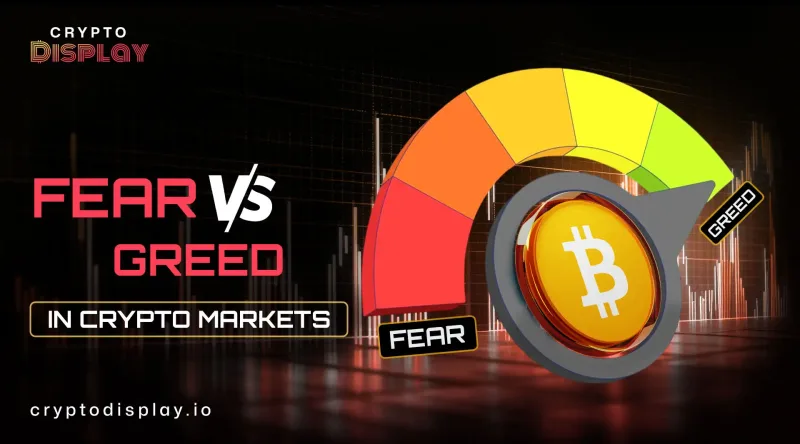
Understanding the Market Mood Index
There is a tool that shows how users think in the market. It gives a number based on data like price moves and activity.
Low numbers mean worry is strong. High numbers mean excitement is strong.
This tool helps learners see fear vs greedclearly. It does not predict price. It only shows emotion.
Use it to learn, not to rush.
Why New Learners Feel More Stress
Beginners often feel strong stress because:
- Price changes feel shocking.
- Loss feels personal.
- Gains feel exciting.
Without experience, emotion feels louder than logic. This is why learning fear vs greed early is helpful. Experience brings calm.
How Emotion Leads to Common Errors
Many mistakes happen because of emotion:
- Buying near price tops.
- Selling during panic.
- Trusting hype.
- Ignoring risk.
These mistakes repeat when users forget about fear vs greed during fast moves.
Slow thinking helps avoid these errors.
Turning Emotion Into a Learning Tool itself is not bad. It becomes useful when you observe it.
Here is how risk and hope can guide:
- Strong uncertanity can signal time to study
- Strong excitement can signal time to slow down
- Watching feeling helps you think instead of react.
- Simple Habits that build control
Good habits reduce emotional stress:
- Learn before acting
- Plan ahead
- Avoid noisy opinions
- Focus on long goals
These habits help you stay balanced duringfear vs greed periods.
Why Patience Wins Over Speed
Many people rush to act, but some wait and learn. Patience matters more than speed. People who understand fear vs greed often:
- Make fewer panic moves
- Feel less regret
- Stay focused
Markets reward calm behavior over time.
Is Emotion Always a Problem?
No. worry and desire is natural. It shows how people think. Fear can protect you from risky actions. Desire can support growth and interest. Problems start only when feelings controls decisions.
Long Thinking Builds Confidence
Daily price moves can confuse learners. Long thinking brings clarity. When you focus on learning:
- Swings feel smaller.
- Decisions feel clearer.
- Stress feels lower.
This mindset works well with risk and greed awareness.
Final Thoughts for Crypto Learners
Crypto markets will always move up and down. Feelings will always rise and fall. Understanding these points helps you:
- Read market mood
- Avoid common traps
- Build patience
Learning feelings is as important as learning charts. When you control your reaction, you protect your thinking. That skill matters more than timing any move.