
Pepeto vs BullZilla: Which Meme Coins Could Win in 2026?

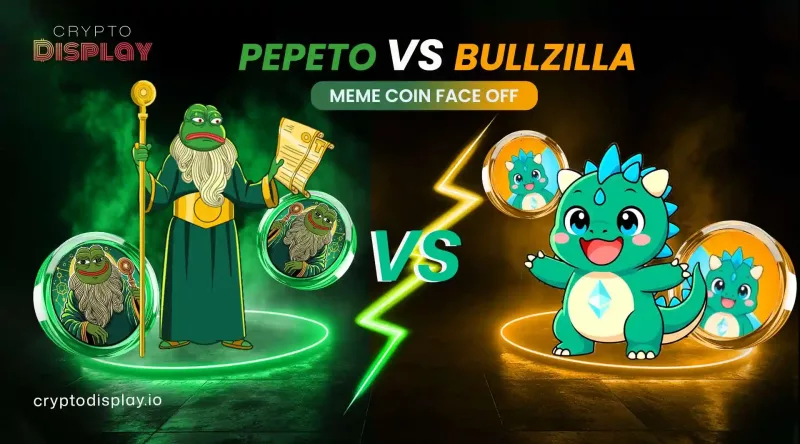
Pepeto vs BullZilla: A Deep Look at Two Fast-Growing Meme Coins
The meme coin world never sleeps. Every few months, a new project shows up and asks for your attention - and your money. In 2026, two names made a lot of noise: Pepeto ($PEPETO) and BullZilla ($BZIL).
Both are built on Ethereum. Both ran presales. Both promised big rewards for early buyers. But they are very different coins under the surface.
In this article, we break down both projects in plain language- no jargon, no hype. Just the facts you need to make a smart decision.
Many investors track new memecoin crypto projects and presales before tokens hit exchanges, because early access can sometimes provide lower entry prices.
What Is Pepeto?
Pepeto is built on the Ethereum blockchain and positions itself as the evolution of meme coins - combining viral appeal with real tools like a zero-fee exchange, a cross-chain bridge, and a staking program.
The name itself stands for Power, Energy, Precision, Efficiency, Technology, and Optimization. The team calls it the "God of Frogs"- a step above the original Pepe memecoin that inspired it.
What makes Pepeto stand out from regular meme coins is its focus on building actual products, not just riding internet trends.
Pepeto raised over $7.9 million in its presale, with billions of tokens sold and a working demo exchange already launched publicly. That is unusual for a meme project at this stage.
Readers who want a deeper breakdown of the project can explore this Pepeto crypto presale.
Its ecosystem includes PepetoSwap for zero-fee trading, PepetoBridge for moving tokens across different blockchains, and a staking program offering up to 221% APY.
The smart contracts were independently checked by two security firms - SolidProof and Coinsult - which adds a layer of trust that many meme coins skip entirely.
What Is BullZilla?
BullZilla ($BZIL) is an Ethereum-based memecoin built around the idea of a beast that thrives in chaos. It uses a progressive price engine that automatically raises the token price every $100,000 raised or every 48 hours - whichever comes first.
The mascot is a raging bull monster. The story is built around 24 chapters called "Lore Chapters," making the presale feel like a video game or a comic book series. That storytelling approach helped it build a passionate community fast.
At each milestone, a Roar Burn Event is triggered, permanently removing tokens from circulation. Holders can lock tokens in "The HODL Furnace" for staking rewards of up to 70% APY.
For readers interested in learning more about its mechanics and presale structure, this BullZilla presale overview explains the project in more detail.
BullZilla attracted over 3,700 holders and sold 32 billion tokens within four months with analysts calling it one of the most talked-about presales in the crypto space.
Its referral system gives buyers a 10% bonus for bringing in new investors which fuelled rapid community growth across social platforms.
Meme Coins Market Growth
Meme coins have grown from internet jokes into a major part of the crypto market. Tokens like Dogecoin and Shiba Inu proved that community-driven projects can reach large market values. Because of this success, many new meme coins now launch through presales before listing on exchanges.
Investors often watch these presales closely, looking for projects that combine strong communities with real utility.
Head-to-Head Comparison
Here is a simple side-by-side look at both projects:
|
Feature |
Pepeto ($PEPETO) |
BullZilla ($BZIL) |
|
Blockchain |
Ethereum |
Ethereum |
|
Presale Raised |
$7M+ |
$1M+ |
|
Staking APY |
Up to 221% |
Up to 70% |
|
Token Supply |
420 Trillion |
160 Billion |
|
Utility |
Exchange, bridge, staking |
Staking, burns, referrals |
|
Security Audits |
SolidProof + Coinsult |
Smart contract verified |
|
Presale Model |
Staged pricing steps |
Price rises every 48 hours |
|
Referral Program |
No |
Yes (10% bonus) |
|
Exchange Demo |
Live |
Not mentioned |
|
Community Theme |
Frog / Pepe culture |
Beast / Bull narrative |
Pepeto - Strengths and Weaknesses
Strengths:
Pepeto blends viral meme energy with working infrastructure - including a zero-fee exchange, a planned cross-chain bridge, and a dedicated meme exchange designed to list only verified projects. That is a serious upgrade over coins that only rely on social media buzz.
The 221% APY staking is notably higher than most competitors. Over 850 projects reportedly applied to list on its upcoming exchange, which shows real outside interest in the platform.
Even during a market crash that pushed Bitcoin below $100,000 and the Fear and Greed Index to extreme fear levels, Pepetto's presale kept growing -a sign of strong community conviction.
Weaknesses:
The token supply is enormous - 420 trillion tokens. That level of supply can make price growth harder unless demand stays very strong. Also, the exchange is still in development. Promises made during presales do not always become reality.
BullZilla - Strengths and Weaknesses
Strengths:
$BZIL's Progressive Price Engine triggers automatic price increases at $100,000 milestones, while the Roar Burn mechanism permanently removes tokens to fight oversupply a combination designed to build deflationary pressure over time.
The storytelling approach is clever. Each presale chapter feels like a new level in a game. That keeps people engaged and talking. The 10% referral bonus also gave existing buyers a reason to spread the word, helping it grow without big advertising spend.
Early analysis projected that a $1,000 investment at the initial presale price could yield significant returns if the token hits its projected listing price - outpacing traditional Layer 1 blockchain returns. Investors who want to read the original documentation and roadmap can visit the official BullZilla website for full project details.
Weaknesses:
$BZIL raised less than Pepeto overall. The 70% APY staking, while attractive, is lower than Pepeto's offering. The project also leans more heavily on narrative and urgency than on finished products. A strong story is great - but working software matters more in the long run.
Which Type of Investor Fits Each Coin?
These two projects appeal to different kinds of buyers.
Pepeto might suit you if:
- You want a memecoin with real tools behind it
- You prefer higher staking rewards
- You like the idea of a growing meme exchange ecosystem
- You are comfortable with a very large token supply
$BZIL might suit you if:
- You enjoy community-driven, story-based projects.
- You want a token with built-in scarcity mechanics
- You like a referral system that rewards you for sharing
- You prefer a smaller token supply with burn pressure
Neither coin is a "safe" investment. Both are speculative by nature.
The Bigger Picture - Meme Coins in 2026
Meme coins have come a long way. Dogecoin started as a joke. Shiba Inu turned small bets into life-changing returns for some early holders. PEPE shocked the market with how fast it grew.
But the meme coins market has also burned millions of investors who bought into projects with no real foundation. The lesson the market keeps teaching is community plus utility wins over hype alone.
Both Pepeto and BullZilla seem to understand this lesson. Pepeto builds tools. $BZIL builds structure. Both try to give holders a reason to stay beyond the initial excitement.
The risk, as always, is real. Presale tokens can fail to list. Prices can fall sharply after launch. Projects can go quiet. Never put in more than you are fully prepared to lose.
Final Verdict
Pepeto and BullZilla are both serious meme coins contenders in the 2025 meme coin space - but for different reasons.
Pepeto leads on utility. It has a working demo, a higher staking reward, more presale funds raised, and a clear roadmap toward a functional exchange ecosystem.
BullZilla leads on structure and scarcity. Its burn mechanism, automated price engine, and referral system create a tightly designed economic model that rewards patience and early action.
If you had to choose one based purely on built products and funds raised, Pepetto has the edge. If you prefer a coin with tighter supply control and a strong community story, BullZilla deserves a closer look.
The smartest move? Study both whitepapers, check the audit reports, and only invest what you can genuinely afford to lose.
Disclaimer
This article is for educational purposes only. It is not financial advice. Meme coin investments carry a very high level of risk. Always conduct your own research and consult a financial advisor before making any investment decision.





Frequently Asked Questions
 Explore Our FAQs
Find quick answers to commonly asked questions and understand how things work around here.