
Crypto Exchange Listing Explained: How New Tokens Get Listed

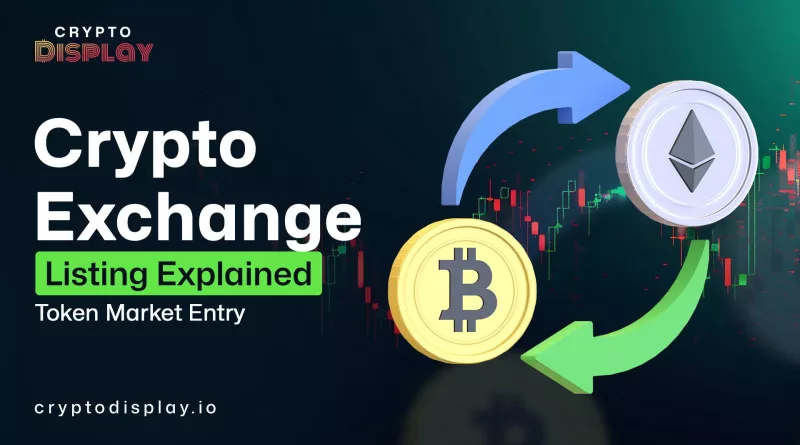
Crypto Exchange Listing Explained: How Tokens Enter the Market
A new coin sits on a chain. No one can buy it yet. Then it gets listed on an exchange. Now the world can trade it. This is the big day for every crypto team.
A crypto exchange listing is a bridge. It links a new coin to real buyers and active traders. Without a crypto exchange listing, a coin stays hidden. A listing gives it a price, a trading chart, and a crowd.
This guide breaks it all down. It shows why listings matter so much. It shows how a new coin earns its spot on a trading app.
Crypto Exchange Listing Explained: How Tokens Enter the Market
A crypto exchange listing means a coin gets added to a trading app. Traders can now buy or sell it there. The coin gets its own pair, like TOKEN/USDT.
Before a launch, a coin often sits on its own site. Trade volume stays thin. Price data stays messy. Few folks even know the coin is real.
After a launch, things move fast. The coin shows up in the search bar. It gets a live chart. Traders can place buy and sell orders in a snap.
Big apps like Binance and Coinbase are called CEXs. Small trades often start on a DEX, like Uniswap. Many coins are listed on a decentralized exchange first. Then they aim for a CEX next.
Why Exchange Listings Matter So Much
A listing does more than just open trade. It builds trust too. Traders see a listing as a stamp of proof.
Big apps run checks first. They check the team. They check the code. They check the coin's use. A Token debut means the coin passed those checks.
Trade volume tends to jump post-listing. More traders mean more buy and sell orders. That flow can calm the price. It can cut down wild price swings.
A Token debut brings new eyes to a coin. A coin on a top app can reach millions of folks. That kind of reach is hard to get from posts alone.
How New Tokens Get Listed: The Real Process
A listing is not random. Big apps follow set steps first.
1. Send the form- The team fills out a form on the app's site. The form asks for the white paper. It asks for the code link. It asks for team facts.
2. Check the code- App staff scan the code for bugs. Bad code can put user funds at risk. So this step gets close checks.
Check the rules – Apps verify where the coin can be sold and whether the smart contract complies with the required rules. Some regions ban certain coins due to local laws.
4. Check the trade- the app checks how much trade the coin has now. A coin with steady trade has a good shot at a yes.
5. Pay the fee- Most apps charge a fee. This fee helps cover the cost of the check. The team signs a deal too. This deal sets the trade rules.
6. Set the date- Once the app says yes, it sets a go-live date. Traders mark this date. They get set to trade the moment it goes live.
CEX Listings vs DEX Listings
Both paths help a coin grow. Each one works in its own way.
CEX listings
- App staff check the coin by hand.
- Trade feels quick for new users.
- Fees and rules tend to be strict.
- Reach is huge due to big user bases.
DEX listings
- Any coin can be listed with no check at all.
- Trade runs right from a crypto wallet.
- Risk can run high with no check step.
- A coin can go live in mere minutes.
What Helps a Coin Get Listed Faster
Big apps like some key traits. These points can help a coin stand out.
- Real use- A coin that solves a real gap draws more app interest.
- Live fan base- A large group of true fans hints at real demand.
- Clean code- Code that passed a scan builds trust fast.
- Steady trade past- Past decentralized exchange trade shows real buzz.
- Known team- A team with real, named folks faces less doubt.
Roadblocks Teams Face During a Listing
The path to a listing is not smooth for all. Teams hit a few common snags.
- Steep fees- Top apps can charge big sums. This can strain a small team's cash.
- Slow checks- legal and code checks can drag on for weeks.
- Bans in some spots- Some coins get shut out in spots with tight crypto laws.
- Thin trade- A coin with weak trade may fail the check.
- Scan costs- a full code scan takes cash that small teams may lack.
The Future of Crypto Exchange Listings
Big apps get stricter each year. World rule-makers watch crypto closely now. So apps must play by tighter rules.
This shift helps teams that build real tools. Coins with a true use and a live fan base should find it easy to get a yes with time.
DEX apps grow fast too. As wallets get simpler, more folks may skip centralized exchange apps. They may trade straight from a DEX.
Experts think list rules will continue to rise. One crypto voice said apps now treat a listing less like a gift. They treat it more like a full, checked task.
Signs of a Weak or Risky Listing
Not each listing is a good sign. Some small apps list weak coins to grab quick fees.
- No known team- A coin with no real names tied to it is a red flag.
- No code scan- Skip a coin that skips a code scan or audit.
- Odd fee asks- Watch for apps that ask for cash in odd, off-site ways.
- Fake trade- Some coins fake their trade stats to look more in-demand than they are.
A wise trader checks the app's own name first. A well-known app with a long track record tends to run a tighter check. A new, small app may not.
Disclaimer
This piece is for facts, not for cash tips. Crypto can move fast in both ways. Do your own check on a coin first. Weigh your own risk well before you deal.



Frequently Asked Questions
 Explore Our FAQs
Find quick answers to commonly asked questions and understand how things work around here.