Understanding How Crypto Works in Online Games Step by Step

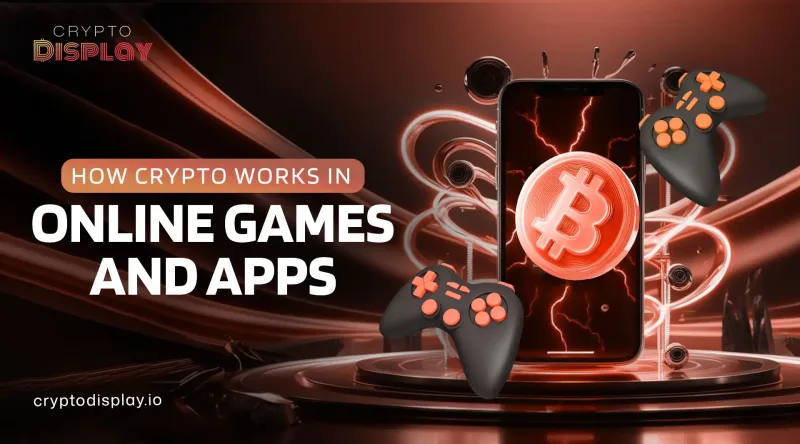
How Crypto Works in Apps and Games to Give Players Real Rewards
Online games and apps are changing fast. Players no longer just play for fun. They also earn, trade, and own digital items. This change comes from a new kind of digital money and record system. This blog explains how crypto work in online games and application in very simple words. You do not need any tech skill to read this.
This guide is for learning only. It does not tell you to buy or invest.
A Simple Look at Digital Game Money
In the past, games had coins or points. These stayed inside one game. If the game closed, the coins were gone. User had no real control.
Today, gaming platform use a shared online system. This system lets users truly own items and rewards. That is the base idea behind it in game and application
They can:
- Earn items by playing
- Keep them in a safe online space
- Trade them with other user
- Use them in more than one app
What Makes This System Different
The big change is ownership. In old game, the company owned everything. Now, users hold their items themselves.
This shift explains it in a fair way.
Key differences:
- Items are not locked inside one app.
- Records are open and clear
- No single company can secretly change data.
This builds trust between users and developers.
The Role of a Shared Record System
At the center is a shared record book. It stores every action. When a player earns or trades an item, the record updates.
This record:
- Is open to everyone.
- Cannot be edited later.
- Keeps full history
This is a core part of howcrypto work behind the scenes.
Digital Wallets in Games and Apps
A digital wallet is like a game bag. It holds rewards, items, and game money.
Wallets:
- Are owned by the player
- Work across many application
- Stay safe with private keys.
Learning about wallets helps to understand how cryptocurrency work in daily play.
Earning Rewards by Playing
Many game now reward users for time and skill. These rewards are not just points. They are real online assets.
Ways users earn:
- Winning battles
- Completing tasks.
- Helping others in the game
This reward model shows how cryptocurrency work to value player effort.
Trading Items with Other Players
In older games, trading was limited or unsafe. Now, users trade directly without middle steps.
Benefits:
- No fake products
- Clear prices
- Instant transfers
This player-to-player trade system is another example of how digitalcoin work in game.
Using Items Outside One Game
Some products are not limited to one app. A character skin or tool can work in more than one place.
This happens because:
- Products follow shared rules
- Application read the same record system
- This cross-use ability explains how it work beyond one game.
Fair Play and Clear Rules
Fairness is a big concern in games. With shared records, cheating is harder.
What fairness improves:
- All actions are visible
- No secret item creation
- Same rules for all
This fairness model shows how it operates to protect users.
Game Developers and Their Role
Developers still build game. But they no longer control every item.
Their new role:
- Set clear rules.
- Design fun systems
- Keep application safe and smooth
This balance helps show how cryptocurrency work for both sides.
Free Choice for Players
Player are not forced to trade or earn. They choose how to play.
These choices include:
- Just playing for fun
- Collecting products.
- Trading with others
This freedom is key to how it operates in a healthy way.
Safety and Responsibility
With control comes duty. Player must protect their wallets.
Basic safety tips:
- Never share private keys
- Use trusted apps.
- Avoid unknown links.
Safety habits are part of learning how cryptocurrency works the right way.
Why Some Games Fail
Not all projects succeed. Some focus only on hype.
Common problems:
- No real gameplay.
- Too many rewards
- Poor planning
These failures teach lessons about how crypto works when done wrong.
Long-Term Value in Game
Game with strong systems last longer. Players stay when value is real.
Strong game focus on:
- Fun first
- Clear rules.
- Steady growth
This long view supports how crypto works in sustainable apps.
Learning Before Spending
Players should learn before using money.
Good steps:
- Try free modes.
- Read game guides
- Watch how things move
Learning builds confidence in how crypto works inside apps.
Apps Beyond Gaming
This system is not only for game. Many apps use it too.
Examples include:
- Fitness apps
- Art platforms
- Learning tools
These app use the same base idea of how crypto works to reward users.
Clear Records Build Trust.
It's really handy with digital systems because you can keep tabs on everything. Every small action is saved in the system. Anyone can see rewards and trades. This explains how crypto works and helps make sure everything stays fair.
The Human Side of Digital Play
At its heart, this is about people. It rewards time, skill, and fair play. It allows:
- Fair sharing.
- Open rules.
- Real ownership
This human focus is why how crypto works matters to players.
Final Thoughts
Online games and app are growing into shared digital worlds. Players now take part in these worlds as owners, not just users.
By learning how crypto works, players can: Play smarter, Stay safer, Enjoy deeper value. This change is not about fast money. It is about fair rules, clear records, and making sure people truly own their digital items.