
What Is Solana Blockchain and How It Works in Crypto World

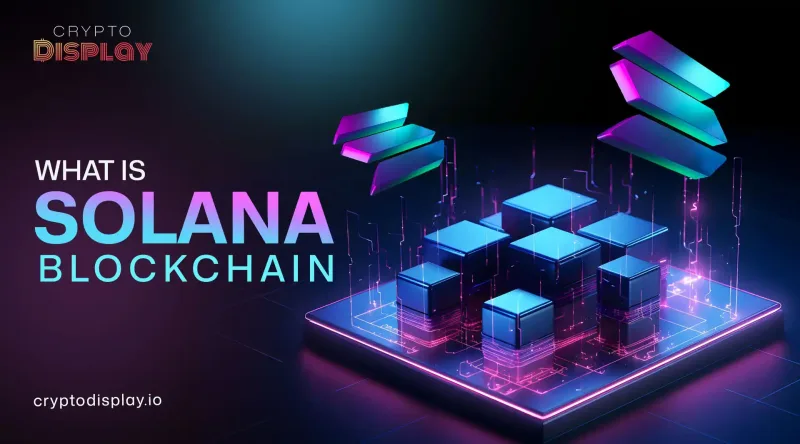
Why Solana Blockchain is the Go-To Network for Developers and Users
The Solana blockchain is a fast and low-cost crypto network. It enables people to send money, develop apps, and create digital products. Many users choose it because it is quick and cheap. This guide describes what it is, how it works, and why investors care about it.
What Is Solana Blockchain?
The Solana blockchain is a system that records transactions in a safe and public way. It works without banks. Investors can send crypto, use app, and trade digital items on this blockchain network.
It has its own coin called SOL. Users pay small fee with this coin and also use it inside app. The goal of the system is simple: make crypto fast, low cost, and easy for everyone.
Who Created It?
The Solana blockchain was created by Anatoly Yakovenko and his team. They launched the project in 2020. Their aim was to build a system that could handle many users at the same time without slowing down.
They wanted to fix three main problems
- Slow speed
- High fees
- Poor scaling
Today, the project has a large and active community.
How It Works
The SOL blockchain uses special systems to stay fast and secure.
Proof of History - This system uses a time system called Proof of History. It records when each transaction happens. This helps the system stay in order and move faster.
Proof of Stake - It also uses Proof of Stake. People lock their coins to help run the system. These are called validators. They check transactions and help keep everything safe.
Fast and Low Cost -The SOL blockchain can handle many transactions each second. Fees are very low, so users can send money without paying much.
Key Features
The SOL blockchain has several features that make it stand out.
- High Speed- Transactions are confirmed very fast. This helps folks send and receive funds in seconds. App also run smoothly because of this speed.
- Low Fees - Fees are very small. Even small payments are possible. This makes the system useful for daily uses and small transfers.
- Smart Contract Support- Developers can build applications on this. These applications can be games, finance tools, or trading platforms. Smart contracts help these applications run automatically.
- NFT and Gaming Support- Many NFT and game projects work on this. Artists and creators can sell digital items. Buyers can trade them with low cost and fast speed.
- Strong Growth- The number of applications and user keeps growing. More developers are joining and creating new tools. Because of this it keeps growing and becoming bigger over time.
Advantages
It offers many benefits for user.
- Fast for Daily Payments -Because transactions are quick, folks can use it for daily payments. There is no long waiting time. This makes it useful for real world use.
- Low Cost for Beginners -Low fees make it easy for new user to start. Folks can send over tiny bits of cash without getting hit with fees. This is a real plus for anyone just starting out. Plus, they can whip up applications, games, and different services pretty easily.
- Good for Developers: Developers like building on this. It is fast and can handle many users. They can create applications, games, and services with ease.
- Growing Ecosystem: Many new projects are joining each year. More app bring more users. This helps it to stay active and useful.
- Easy Tools: Wallets and app on this network are simple. New investors can learn quickly and start using crypto with less confusion.
Risks and Challenges Explained
It also has some risks to know.
- Past Network Outages- Sometimes, the system goes down. When that happens, it can mess with people and the apps they need. The team is really trying to make it work better.
- Strong Competition- Other networks like Ethereum also support app and tokens. They have large communities. This means strong competition in the space.
- Market changes: Crypto prices can go up and down quickly. The value of SOL can change at any time. Users should always do their own research.
- App Risks- Some applications may have bugs or weak code. This can lead to loss of funds. It is best to use trusted apps and wallets.
- New Technology- The network is still growing and improving. Updates happen as it develops. New tech can face early challenges.
Solana vs Ethereum
Many investors compare Solana with Ethereum. Both permit tokens and apps, but they are not the same.
Speed -SOL is known for very quick transactions. Ethereum can be slower when the network is busy.
Fees :SOL fees are very low. Ethereum fees become high during heavy use.
Ecosystem: Ethereum has more apps and users right now. SOL is growing quickly and adding more projects.
Use Cases: Both networks support DeFi, NFTs, and games. Each has its own strengths and community.
This comparison helps readers understand how the two networks are different.
Why Solana Matters
The Solana blockchain matters because it shows how fast and low-cost crypto can be. Many people want networks that are simple and affordable. This project tries to meet that need.
It helps developers make new apps. quick speed and low fees let more ideas grow. This could make it easier for more people globally to get into crypto.
As more users join, the network may become an important part of Web3. Learning about it helps people understand the future of digital apps and payments.
Safety Basics
The SOL block chain uses strong security through validators and shared data. Still, users should follow safe steps:
- Use trusted wallets.
- Keep keys private.
- Check apps before using.
Safety depends on both the network and the user.
Future of Solana
Many developers are building on SOL. New apps and games are launching. More people are signing up for the network. People are starting to like SOL because it's so fast and doesn't cost much to use. The cryptocurrency world is always shifting, so it's crucial to keep learning and stay up-to-date.
Final Thoughts
The Solana block chain is known for speed and low fees. It lets people use apps, send money, buy NFTs, and play games. Many people are trying it because it is easy to use and works very fast.
Understanding how this network works helps you learn about modern crypto systems. As technology grows, networks like this may play a big role in digital finance and online apps.
Disclaimer
This blog is for informational purposes only. Always do your own research (DYOR) before investing.

Frequently Asked Questions
 Explore Our FAQs
Find quick answers to commonly asked questions and understand how things work around here.